
A small field guide for seeing plants differently.
This downloadable PDF is a short visual essay built from images, language, and quiet observation. It sits somewhere between a plant note, a miniature zine, and a future artifact: part invitation, part reflection, part record of living structure.
Inside, you’ll find a compact meditation on growth, form, time, and the strange intelligence of plants—not as decoration, but as systems constantly negotiating light, water, pressure, decay, and emergence.
This is not a technical care guide. It is a small object for people who like plants, ecology, deep time, strange beauty, and the feeling that a leaf can point toward something larger.
Your purchase helps support the making of future plant-centered essays, visual studies, and small botanical artifacts from hur / Garage Tropics.
Format: downloadable PDF
Price: $1.99
Best for: reading slowly, saving, revisiting, or pairing with a quiet cup of coffee and a plant nearby.
Artifact .0003
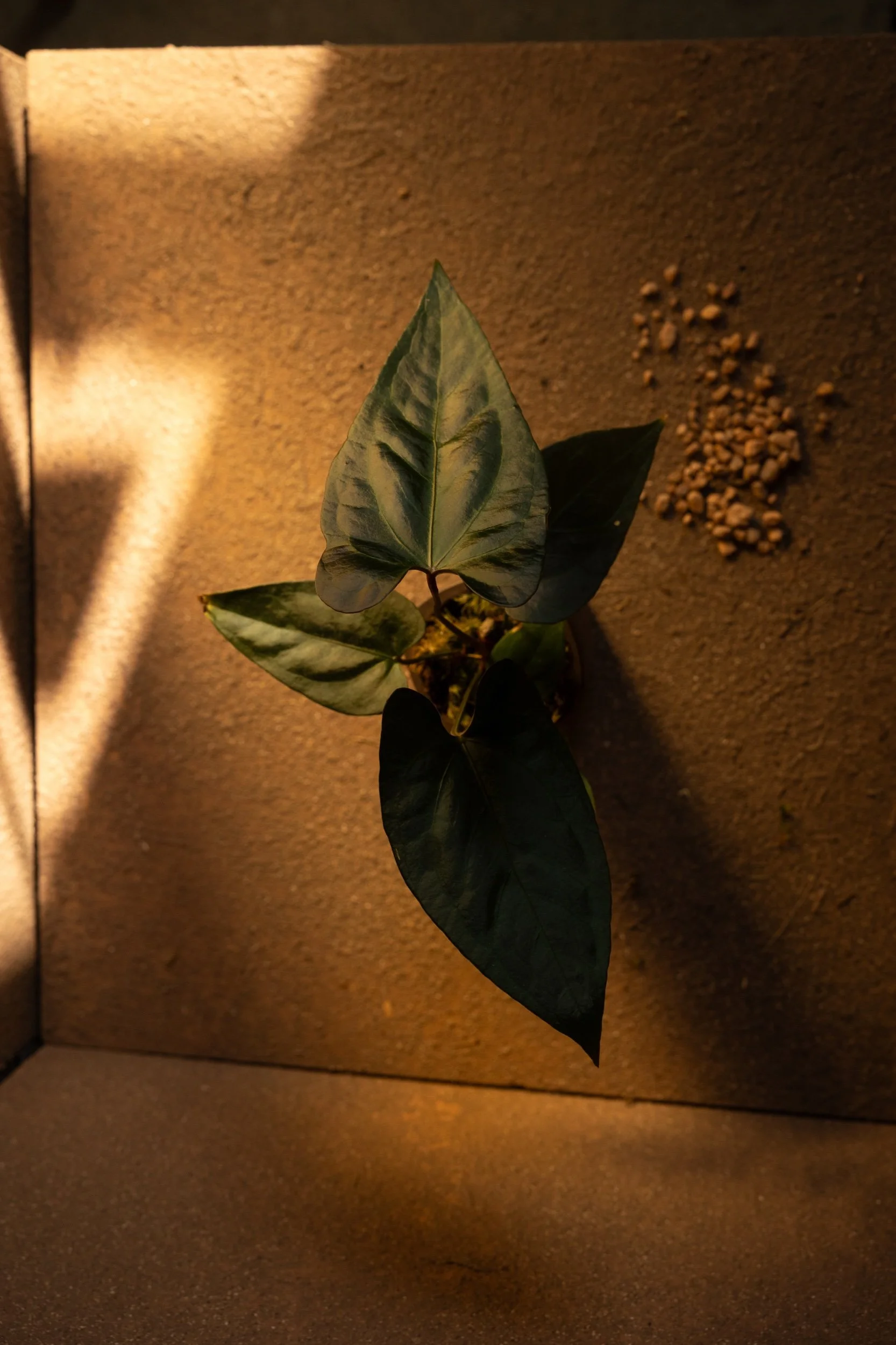
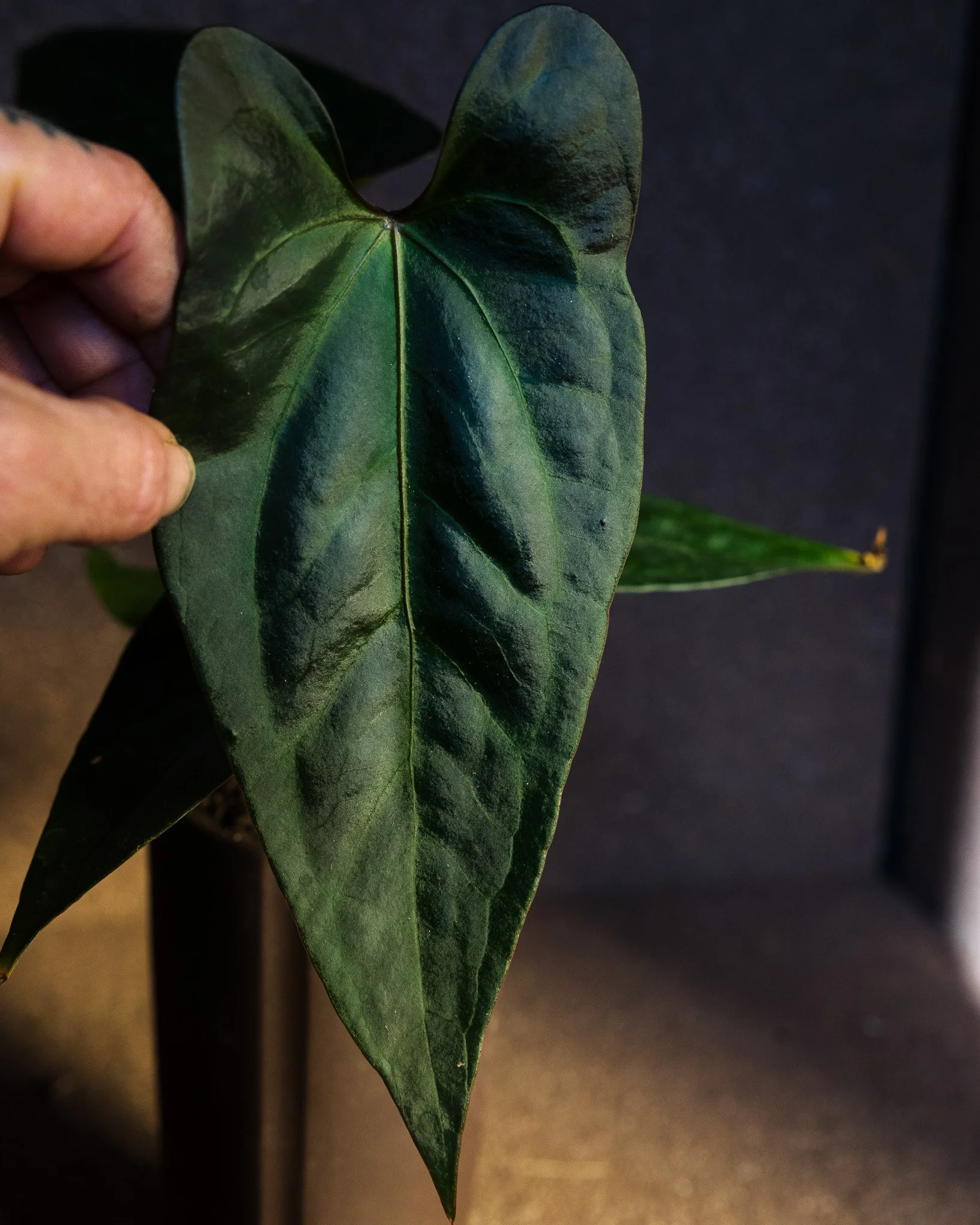
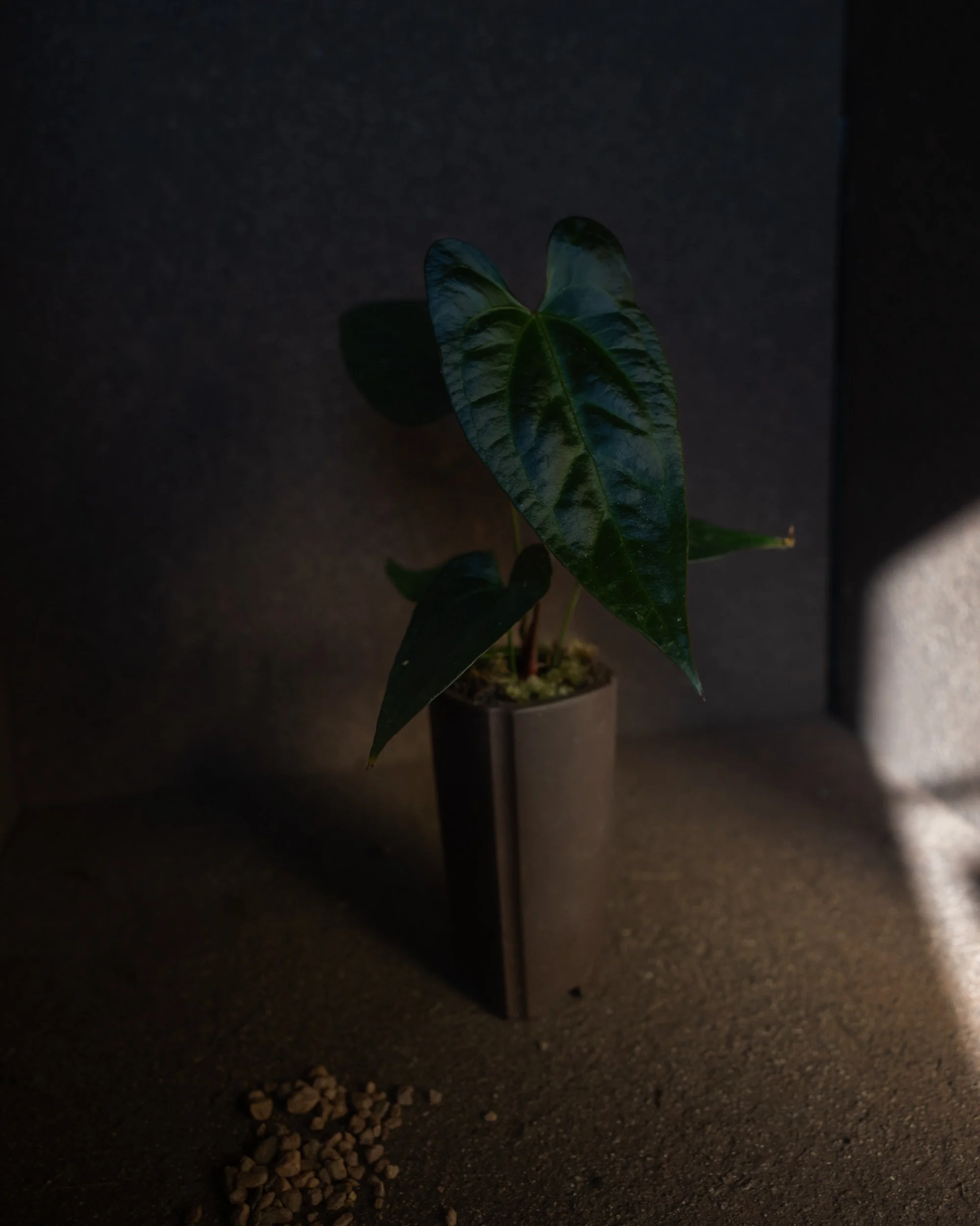
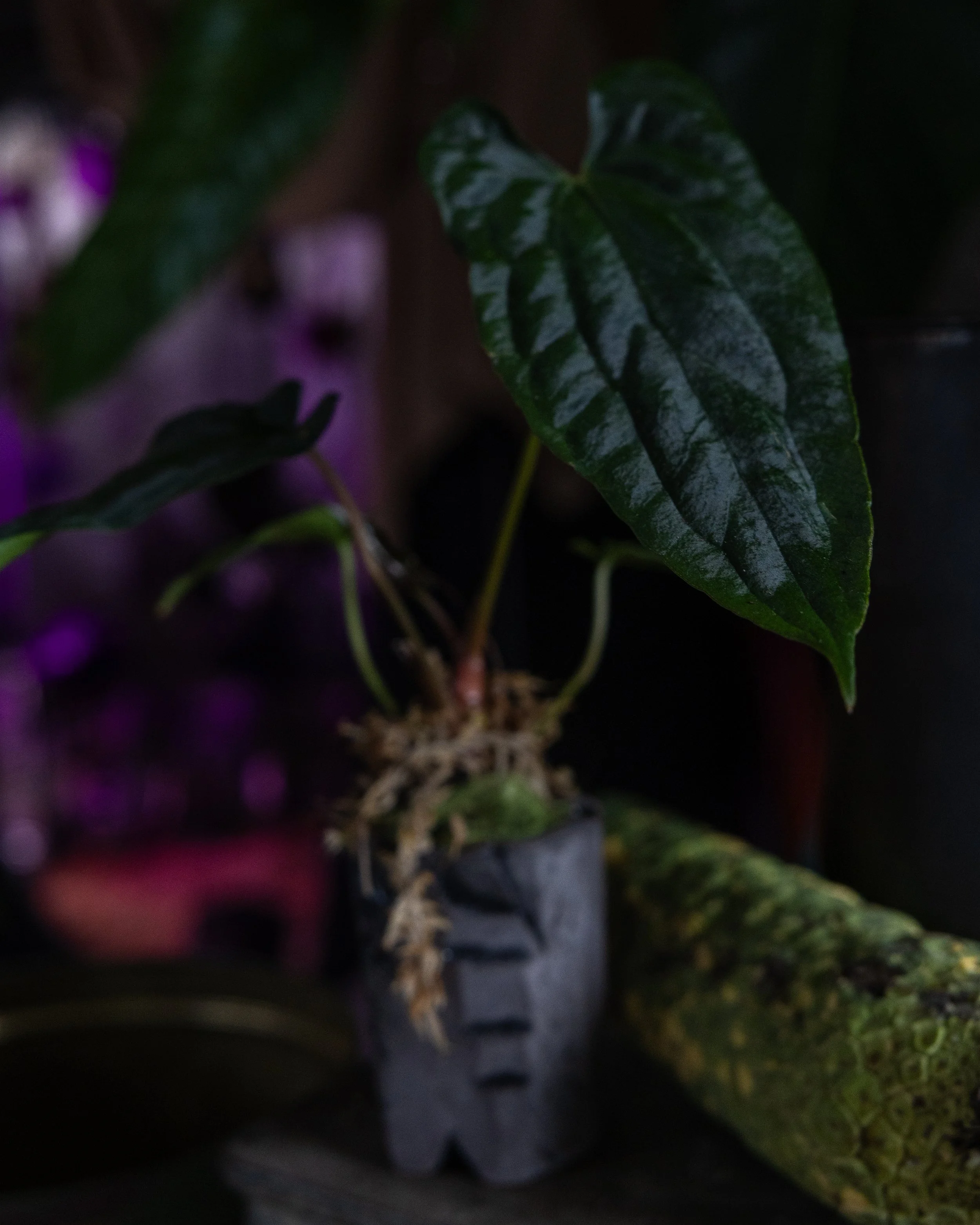
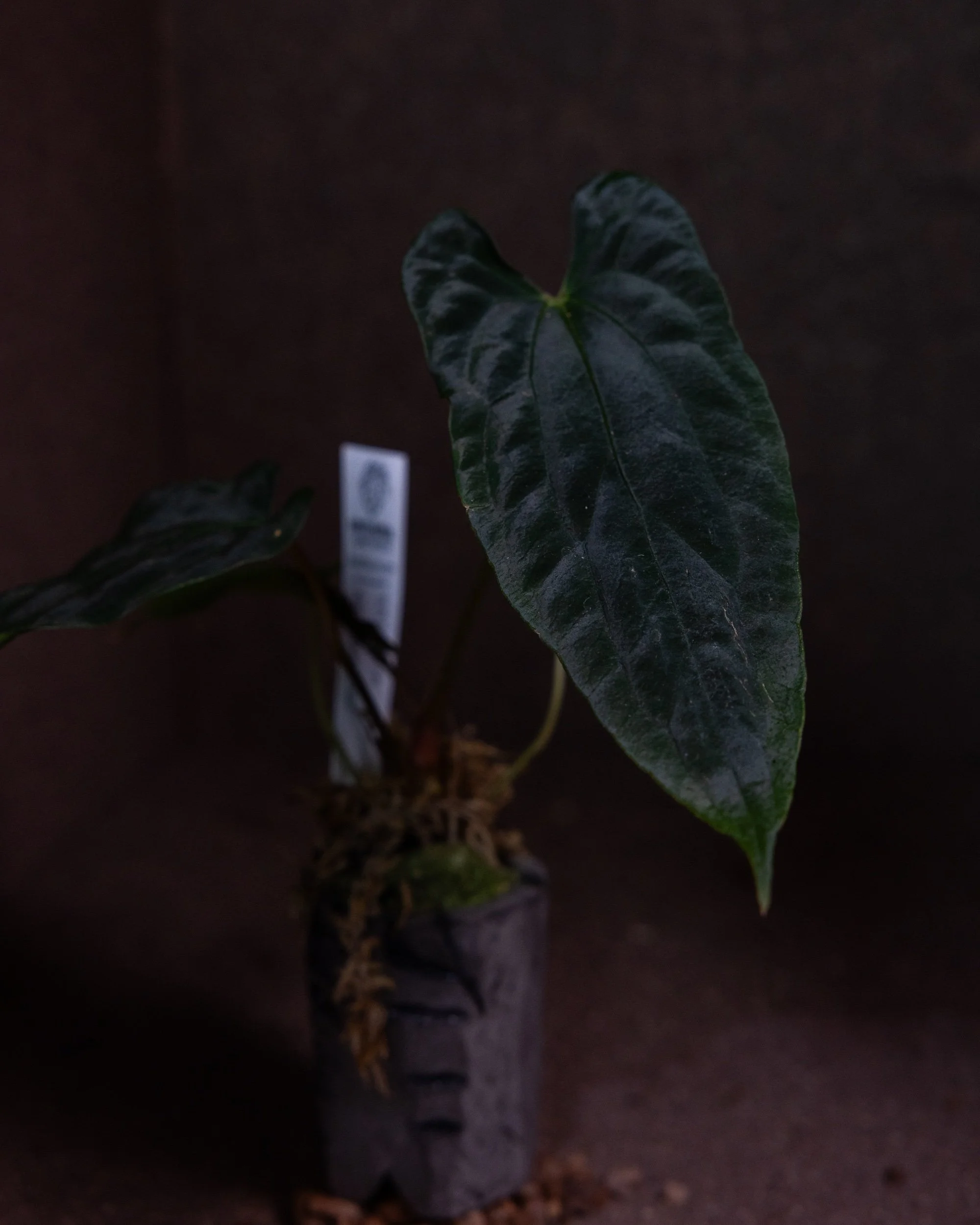
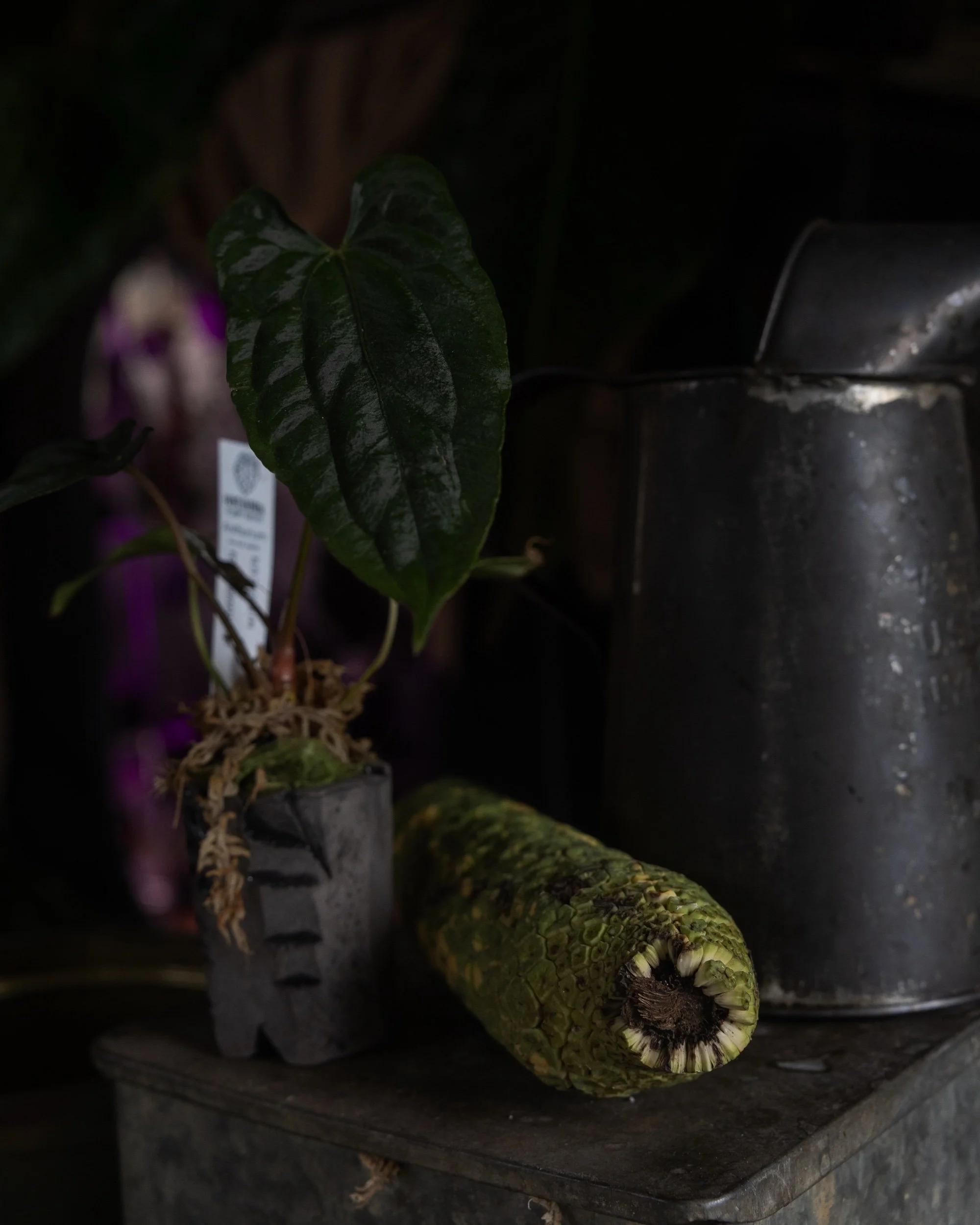
Anthurium hybrid
‘Pink Lemonade’ × sp. nov. ‘Black Panama’
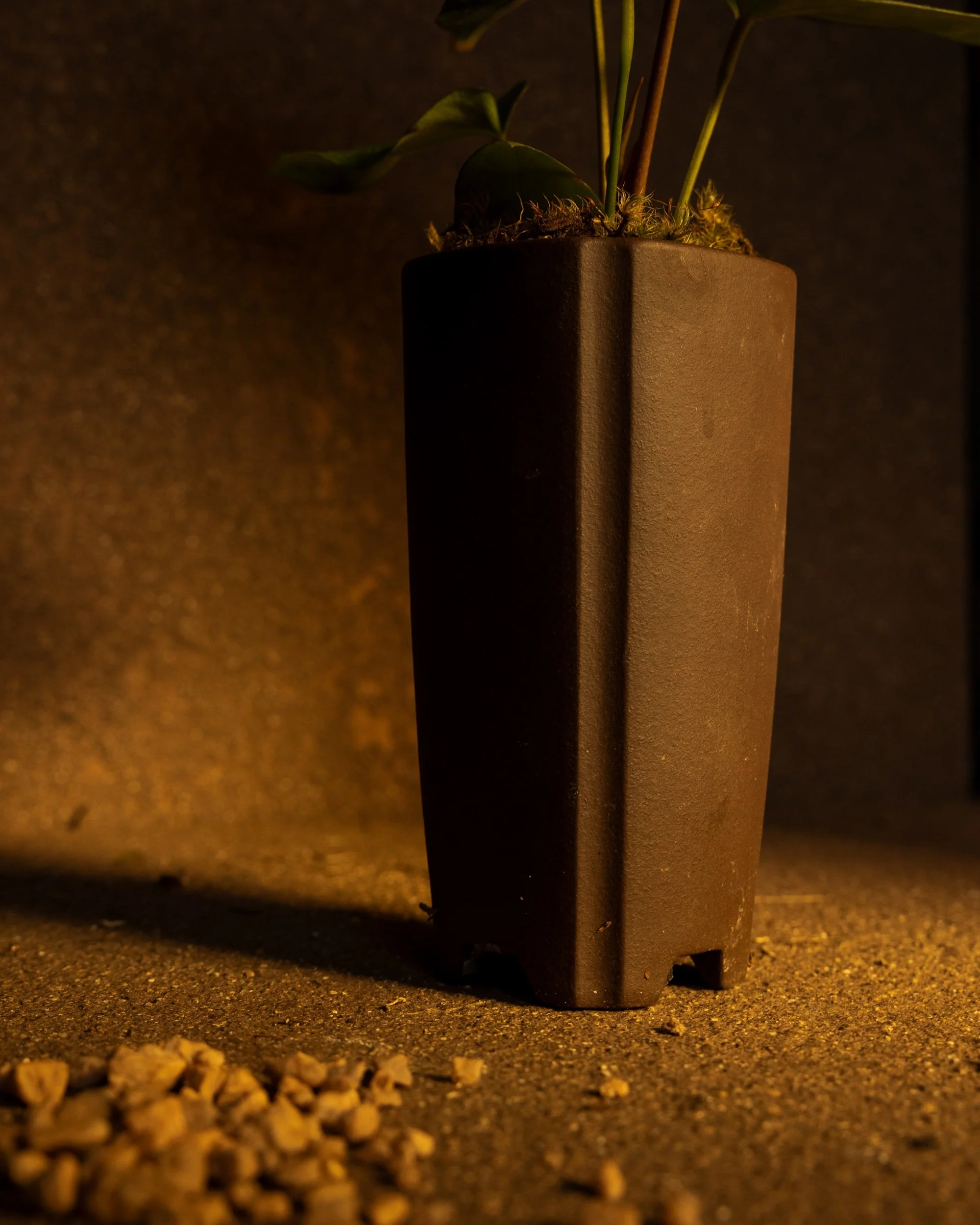
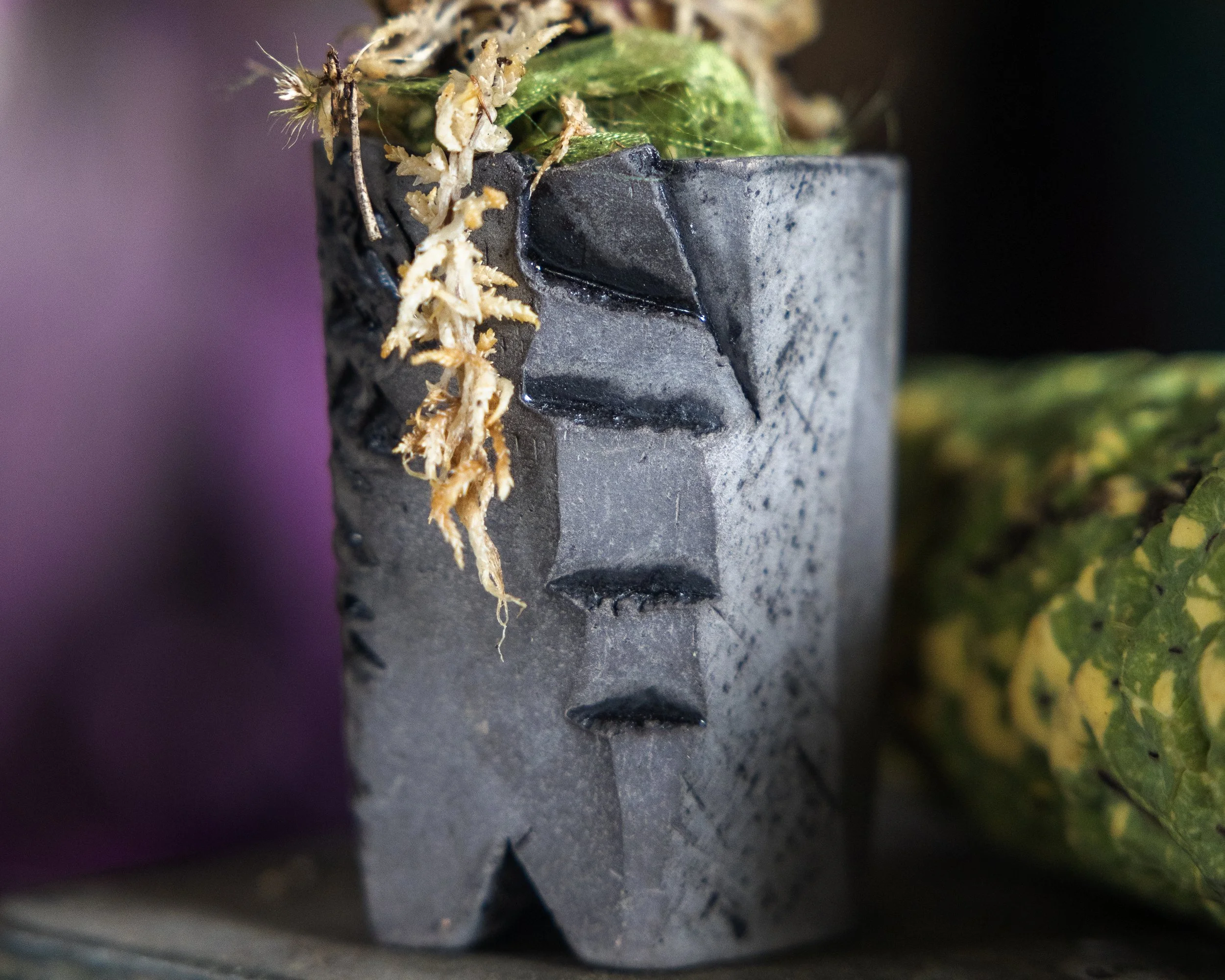
A South Florida hybrid held in a narrow ceramic vessel.
The parent names arrive as trade language, not scientific record. No field collection data. No formal protocol. Just a cross moving through horticulture by name, rumor, selection, and visible form.
That uncertainty is not hidden here. It is part of the object.
The plant shows a darkening, narrow leaf form with a soft metallic surface under angled light. Young, unresolved, and already visually strong. Not a botanical claim. A cultivated specimen.
The vessel is commercially sourced ceramic, selected for its mineral color, vertical structure, and quiet architectural form. Planted with moss and a breathable substrate as a complete hur object.
Care: bright indirect light, airflow, and a loose mineral-based mix. Do not keep wet. Let the root zone breathe between waterings.
Plant, vessel, substrate, and uncertainty held together.
.
Artifact .0002 — Fort Sherman
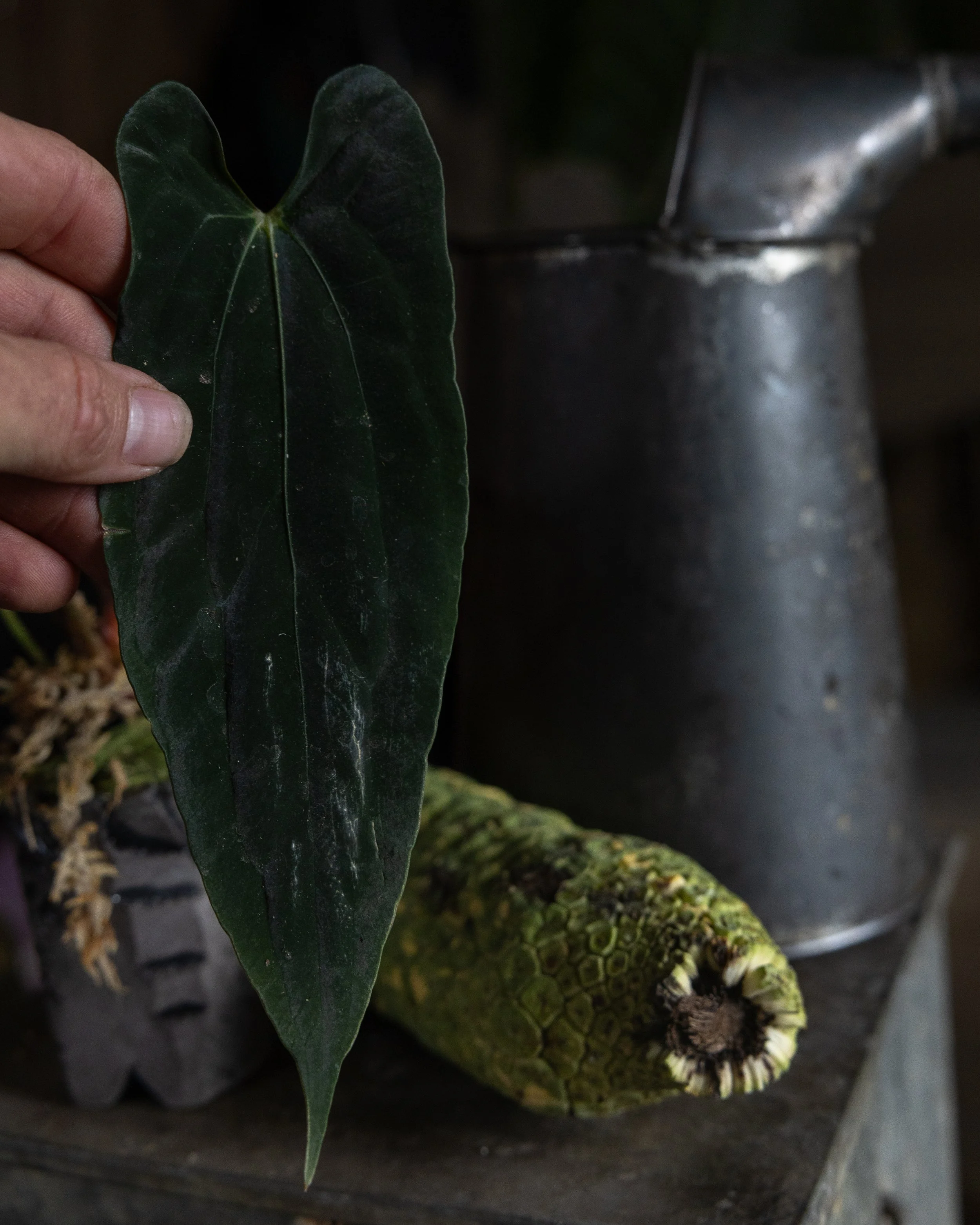
A living composition pairing Anthurium papillilaminum with a black clay vessel by Cult of Clay, Lithuania.
This plant is a pure species cross built from selected Panama Canal Zone clones: ‘Ralph Lynam’ dagger clone × ‘Fort Sherman’ × self. The parent line is known for dark, narrow velvet foliage and sculptural leaf form.
The vessel carries its own mark: stamped Cult of Clay, black ceramic, geometric and weathered like a recovered fragment.
Velvet leaf. Black clay. Canal Zone code.
Warmth required. Low light preferred. Keep evenly moist with airflow. Feed lightly with balanced organic nutrients.
Plant
Anthurium papillilaminum
‘Ralph Lynam’ dagger clone × ‘Fort Sherman’ × self
Pure species
Panama Canal Zone clone lineage
Vessel
Black clay ceramic
Cult of Clay, Lithuania
Stamped vessel
Care
Warm conditions
Low light: 50–200 fc preferred, under 300 fc
Water approximately 2× weekly
Keep evenly moist, never stagnant
Airflow required
Balanced organic nutrients
Includes
Living plant, vessel, moss, established composition
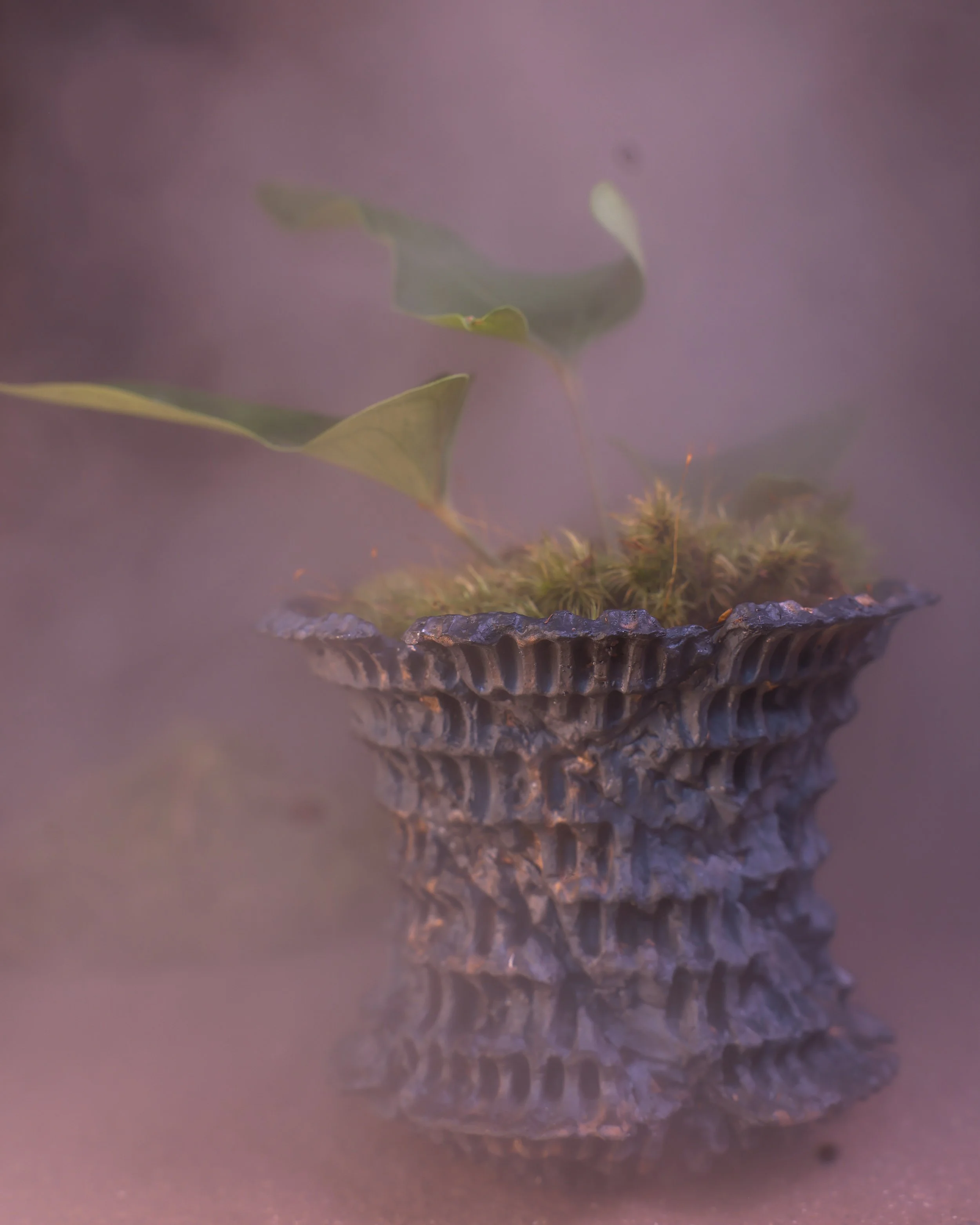
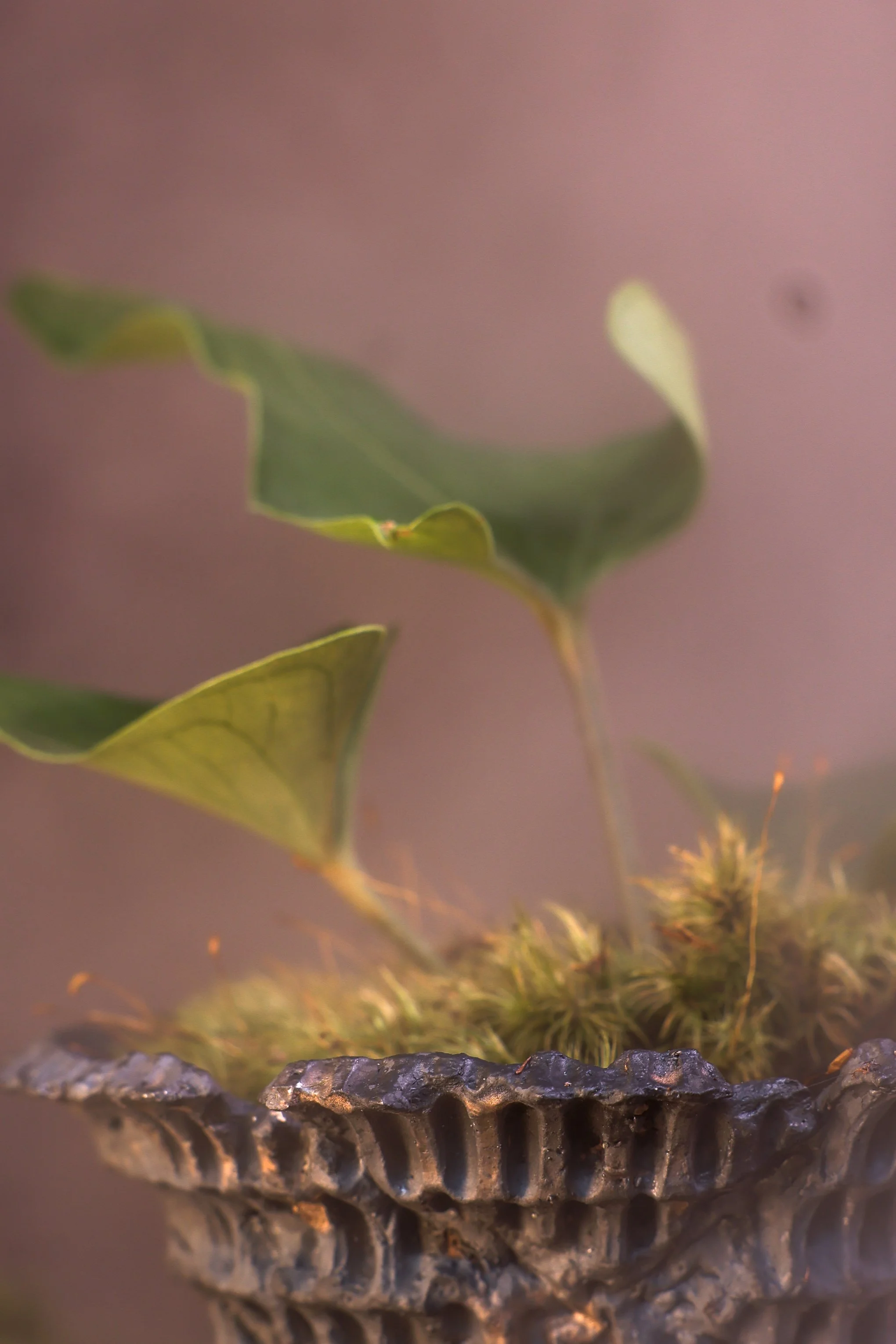
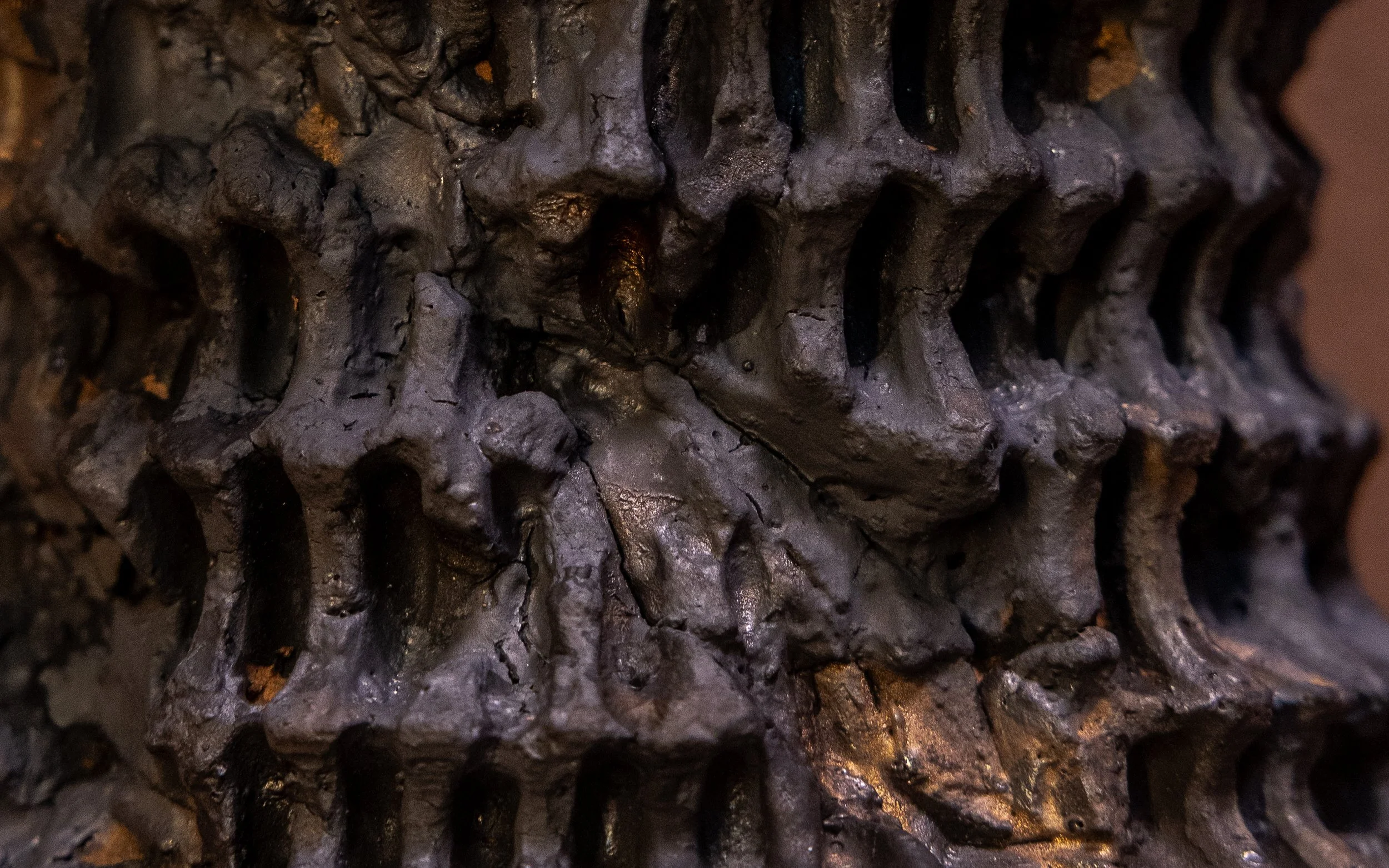
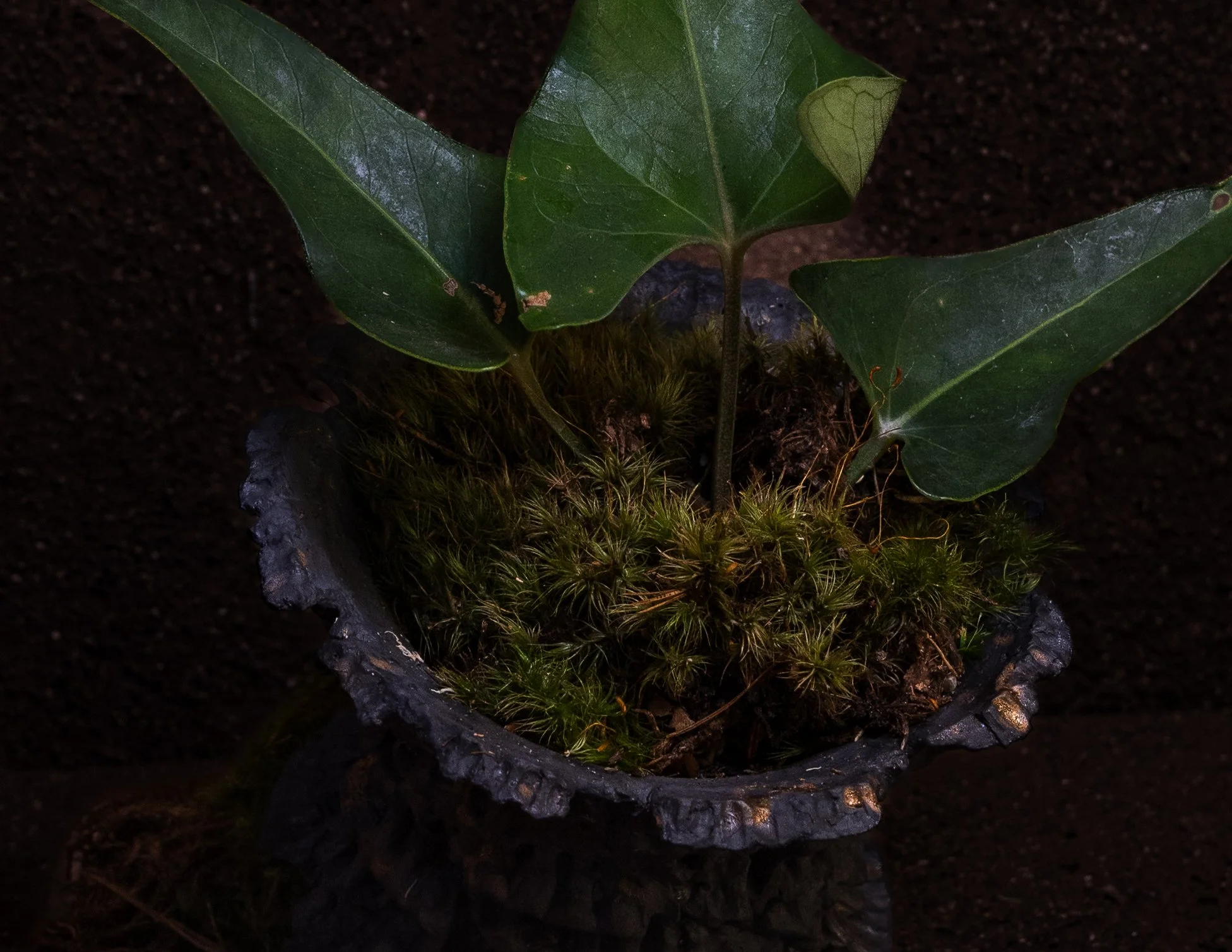
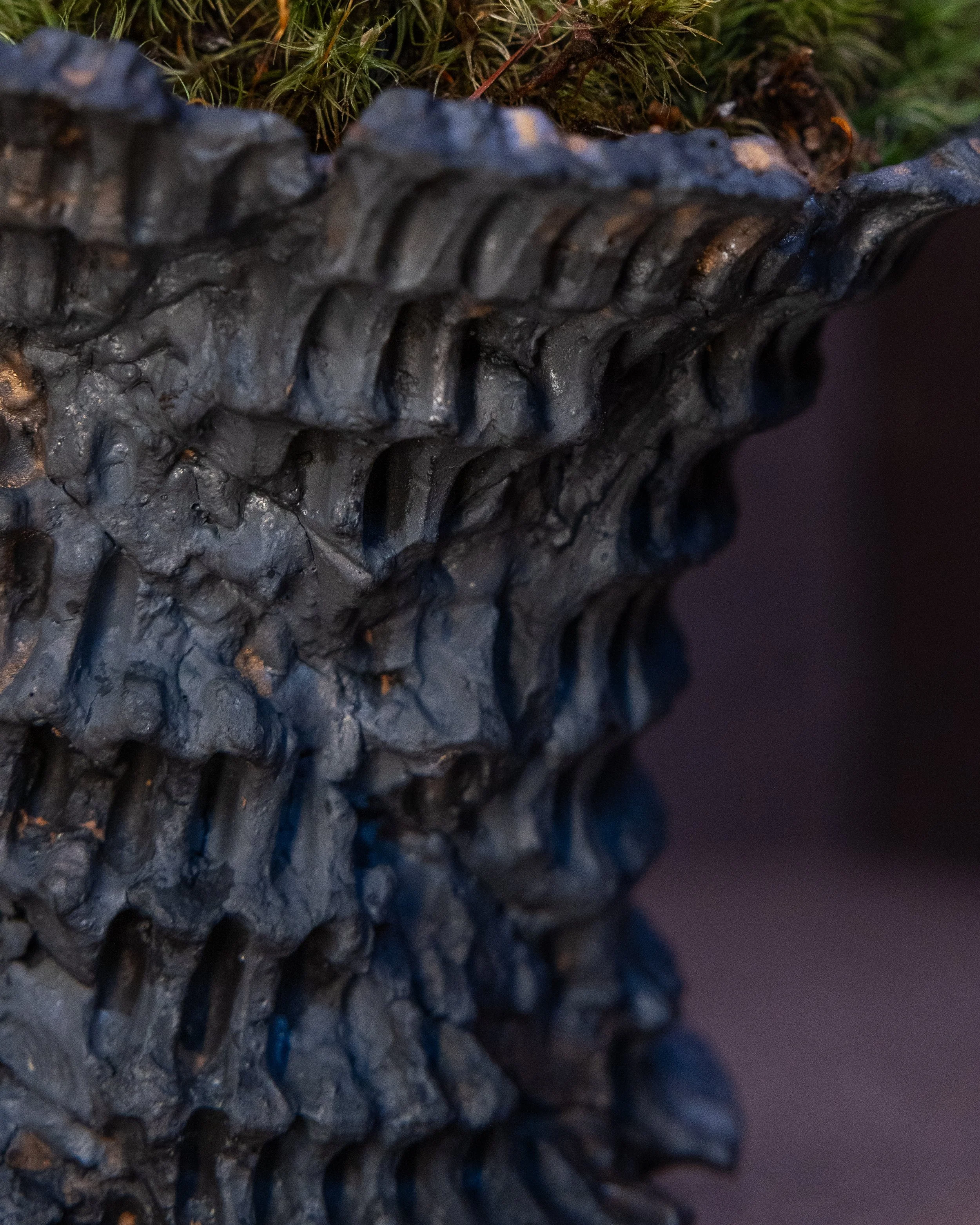
A living botanical artifact composed of Anthurium cerrobaulense and a handmade black clay vessel by ceramic artist known as Bella.
The plant is a selfing from a legacy Chiapan accession of a species native to the Pacific slope forests of Oaxaca and Chiapas, México. It is showy, resilient, and somewhat drought tolerant for an anthurium, with thick succulent roots that prefer room to move.
The vessel reads like excavated bark, volcanic ceramic, or a fragment of an older ecology. Together, plant and clay form a small reconstructed system: foothill forest, handmade earth, moss, and time.
Warm bright shade. Airflow. Do not keep wet. Slightly over-potted by design.
Care notes
can handle light
Mineral-based substrate
Heavy pumice + charcoal
No standing wetness
Strong airflow
50–80% humidity
Balanced organic nutrients
Repot expected in ~18 months
Long-lasting substrate preferred
Object note
Plant and vessel are treated as one artifact: rare botanical material housed in a handmade black clay form that feels less like a pot and more like a biological structure paused mid-growth.
Arthur’s notes on the species here
No results match your search. Try removing a few filters.